Choosing a Natural Latex Mattress in the UK: Dunlop vs Other Latex Options
An evidence-based guide to natural latex materials, UK-brand options, certifications, and practical tips for selecting a latex mattress that supports healthy sleep.
Introduction: Why natural latex matters
Latex mattresses have long occupied a niche that appeals to sleepers seeking a blend of buoyant support and contouring comfort. In the UK market, natural latex is celebrated for its potential to regulate temperature, resist dust mites, and deliver durability that stands up to years of use. However, not all latex is created equal. The performance of a latex mattress depends on the type of latex (Dunlop vs Talalay), the sourcing of natural materials, and the certifications that attest to environmental and health standards.
This article surveys the essentials—how natural latex is produced, what the Dunlop and other latex formulations feel like, which brands offer credible natural options in the UK, and how to evaluate firmness, covers, and care. The aim is to empower readers with clear, practical criteria for choosing a latex mattress that aligns with sleep goals, budget, and sustainability values.
Natural latex materials: Dunlop, Talalay, and their implications
Natural latex can be produced through two primary processes: Dunlop and Talalay. Each process yields a distinct feel and performance profile, influencing comfort, durability, and heat regulation.
- Dunlop latex: In the Dunlop process, the latex mixture is poured into a mold and then moved through vulcanization as a single combined mass. This results in a denser core with a firmer feel at the centre and good overall support. The distribution of latex is less uniform than Talalay, but many sleepers appreciate its robust resilience and steadier edge support. Dunlop remains a common choice for those seeking a balanced, conventional latex feel with solid durability.
- Talalay latex: Talalay involves a more intricate process that creates a lighter, more buoyant feel with a uniform cell structure. The result is often described as softer at the surface with more pronounced contouring capability, depending on the firmness level. Talalay tends to feel more breathable and can offer a lighter, more “hugging” sensation for some sleepers.
- Other natural formulations: Beyond Dunlop and Talalay, some mattresses use blends of natural latex with a portion of synthetic latex or with natural fillers. For readers prioritizing pure natural latex, verify the latex content and avoid blends that compromise eco-credentials or allergen considerations.
When assessing these options, consider your preferred sleep position, body weight, and sensitivity to temperature. The choice between Dunlop-based cores and Talalay-based cores often comes down to a trade-off between support alignment (Dunlop) and surface comfort or pressure relief (Talalay). The best approach is to test the feel with a supported trial and to look for reputable certifications that validate material purity and sustainable sourcing.
Brand landscape in the UK: credible natural latex choices
The UK market hosts a mix of brands that emphasize natural latex, ethical sourcing, and formal certifications. When evaluating options, focus on material content, construction details, and third-party verification that the latex is responsibly produced.
Two brands that exemplify careful attention to natural latex and eco-friendly practices, without resorting to broad consumer hype, include brands offering latex mattresses with clear material disclosures, cover choices designed for durability and hygiene, and certifications that communicate environmental stewardship. For readers prioritizing such transparency, the following considerations are useful anchors during shopping:
- Certifications such as GOLS (Global Organic Latex Standard) for organic latex content and GOTS (Global Organic Textile Standard) for textile components. Certifications help verify that the latex is produced with minimal chemical intervention and that the overall mattress components meet recognized environmental standards.
- Origin and composition clarified by the brand. Seek mattresses that specify natural latex content by percentage, the Dunlop or Talalay process used, and any blends (if present) with non-latex materials.
- Allergen considerations and hygiene features, including dust mite resistance, antimicrobial fabrics, and cover materials that promote breathability and easy maintenance.
In the UK, several brands emphasize transparent material sourcing and durable construction. When a retailer or manufacturer offers explicit information about the latex type, the production process, and certifications, it becomes easier to compare products on face value rather than rely on marketing claims alone.
A practical buying guide: firmness, cover materials, and care tips
Choosing a natural latex mattress involves aligning its technical features with personal preferences and sleep needs. The following practical considerations help buyers make an informed decision:
- Firmness and feel: Latex mattresses are often described using terms like soft, medium, and firm, but the feel can vary with the density and construction. A Dunlop-core mattress may present steadier support with a noticeable edge, while a Talalay-core mattress may feel lighter on the surface with more surface contouring. For couples with different preferences, a medium to medium-firm target is common, or a split configuration where partners sleep on different firmness levels.
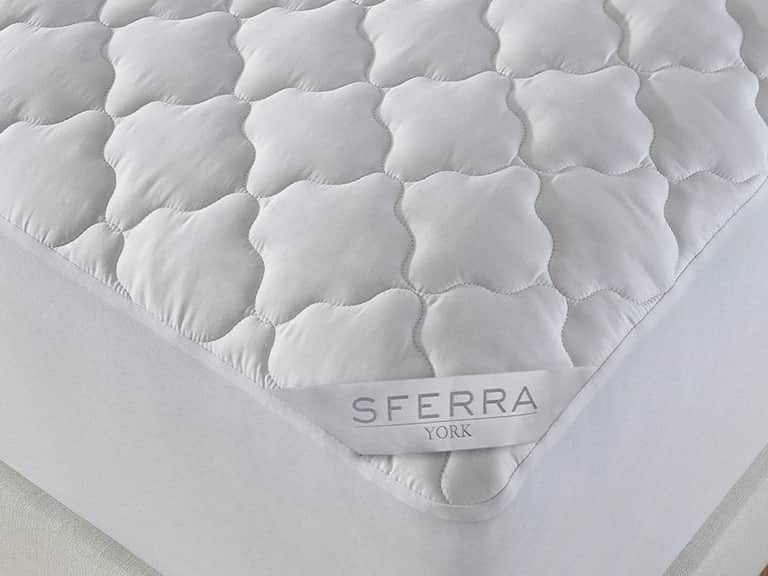
- Cover materials: Natural latex performs well with breathable, moisture-wicking covers. Look for fabrics such as organic cotton or wool blends that enhance temperature regulation and maintain hygiene. A high-quality, washable cover can extend the life of the mattress while preserving feel over time.
- Allergies and sensitivities: If sensitive to latex proteins, seek mattresses with protective barrier layers and verify allergy-related certifications. Note that most natural latex mattresses are designed to minimize allergen exposure, but consumer experiences vary.
- Temperature regulation: Latex naturally has inherent breathability, but the overall temperature performance also depends on the core density, the number of latex layers, and the cover. Some sleepers find Dunlop-based cores warmer or cooler depending on density, so testing remains essential.
- Durability and edge support: A well-constructed latex mattress maintains support across its surface, with minimal sagging along the edges. This quality is particularly important for couples who sit on the edge or who have smaller bedrooms where space is precious.
- Maintenance: Rotating the mattress every 3–6 months, if the design allows, helps distribute wear evenly. Regularly airing and spot-cleaning the cover, following the manufacturer’s care instructions, extends long-term performance.
Brand narratives should be read with a critical eye. A transparent product page that discusses latex type, density, the manufacturing process, and third-party certifications provides a clearer signal than generic marketing language.
Certification timeline and eco-conscious practices
For readers who place sustainability at the center of their purchasing decisions, certifications serve as a credible compass. GOLS certification confirms that the latex content is organic and produced under controlled conditions. GOTS certification extends confidence to textile components within the mattress cover and related fabrics. When a product bears these marks, it helps establish confidence that the claims about natural content and ethical practices are more than marketing rhetoric.
Beyond certifications, consider a brand’s manufacturing footprint, waste reduction practices, and social responsibility programs. While these factors may not always be front-and-centre on product pages, responsible brands are typically transparent about their sourcing and production standards, and they provide accessible information about their supply chain.
A closer look at notable examples in the UK context
Within the UK market, readers may encounter brands that emphasize natural latex, sustainable materials, and global certifications. While we avoid endorsing specific sales claims without verifiable documentation, the landscape typically features mattresses that articulate:
- The latex type (Dunlop or Talalay) used in the core or comfort layers.
- The percentage of natural latex and whether the product is fully natural or a blend.
- Clear certification statements such as GOLS or GOTS, where applicable.
- Details about the outer cover and any quilted layers, including natural or recycled materials where present.
Readers should be vigilant about marketing phrases and look for concrete data: material percentages, density values, thickness of latex layers, and the specific processes used in manufacturing. A mattress that provides precise technical specs and independent certification information will typically yield more consistent sleep outcomes and longer-term satisfaction.
Selecting a latex mattress in practice: trial periods and return policies
Many reputable brands in the UK offer trial periods that allow consumers to test a latex mattress at home before committing to a purchase. A generous trial period—often 90 to 100 days or longer—coupled with a reasonable return policy, gives sleepers a practical window to adjust to the new feel. When evaluating trials, consider:
- Logistics: whether the brand covers delivery, removal of the old mattress, and any return packaging requirements.
- Conditions: whether the trial requires sleeping on the mattress for a minimum period before a decision is made.
- Costs: whether there are any restocking fees or penalties for returns, and how the refund is issued (credit vs. cash).
In the context of natural latex, the initial feel can differ from the long-term performance as the materials settle. A trial period helps buyers determine whether the latex’s surface comfort, pressure relief, and temperature regulation align with their sleep needs over weeks and months.
Conclusion: making an informed choice in a nuanced market
Natural latex mattresses occupy a careful intersection of material science, environmental ethics, and personal comfort. In the UK, a thoughtful evaluation of Dunlop versus Talalay latex—and credible, clearly disclosed brands that prioritize certifications and transparency—can lead to a sleep surface that offers durable support, responsive contouring, and responsible sourcing. The informed shopper is not merely seeking a product that feels good in the showroom today; they are seeking a mattress that remains trustworthy, comfortable, and stable over a decade or more of nightly use.
As the market evolves, the most reliable guidance remains rooted in specifics: the exact latex type, the core and layer composition, the presence of certifications like GOLS or GOTS, cover materials, and transparent care instructions. When these elements align, the result is not simply a mattress—it is a platform for healthier sleep, day after day, across seasons and life’s changing rhythms.
Related reading and next steps
For readers interested in deeper exploration, consider browsing articles that cover:
- Comparative guides to Dunlop vs Talalay across different UK brands.
- Detailed breakdowns of GOLS and GOTS certifications with practical implications for consumers.
- Broader sleep health topics that intersect with mattress choice, including habit formation and sleep environment optimization.
If you would like, I can draft a sitemap and a 90-day content calendar to help structure a comprehensive, non-commercial mattress-education site that keeps readers informed and engaged.
Product spotlight (example)
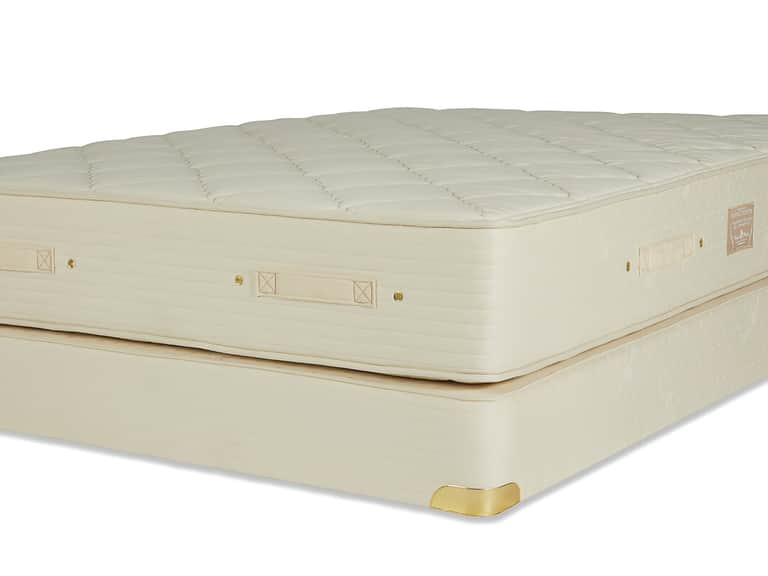
The following product demonstrates the level of detail and quality that a well-documented natural latex mattress can offer. It showcases transparent construction details and a commitment to authentic materials. Link below provides product-specific information for readers who want to study a real-world example as part of their evaluation process.
- Royal-Pedic Premier Natural Latex Quilt-top Mattress
- Note: Always verify current availability and specifications on retailer pages, as product lines may change.