Foam mattresses are a popular choice for their contouring support, pressure relief, and motion isolation. These beds typically use memory foam or polyurethane foams to conform to body shapes, promoting balanced spinal alignment. When evaluating foam mattresses, consider density, feel (soft, medium, firm), and the layering that affects durability and temperature regulation for long-term comfort.
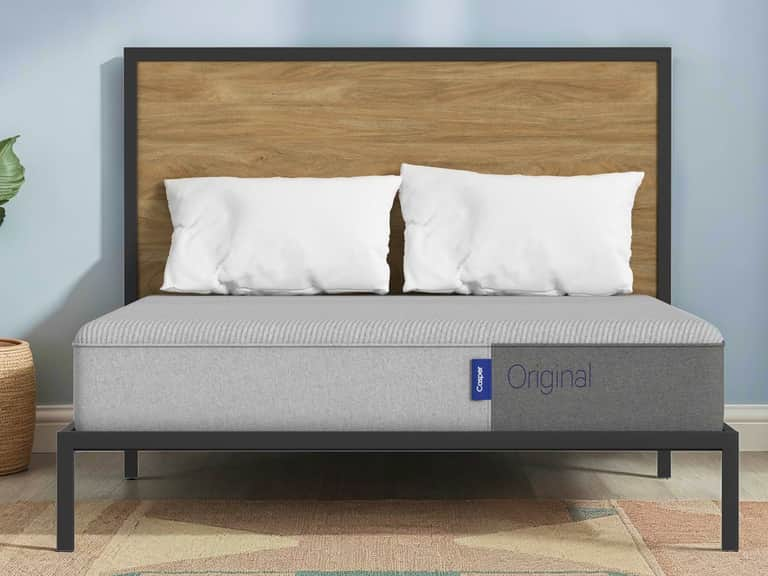
The Original Mattress within this category emphasizes a balanced foam profile that supports gradual weight distribution and reduces pressure points. It often features a multi-layer construction with a breathable cover, paired foam with varying densities, and zoned support to accommodate different body regions, contributing to restful sleep across diverse sleeping positions.
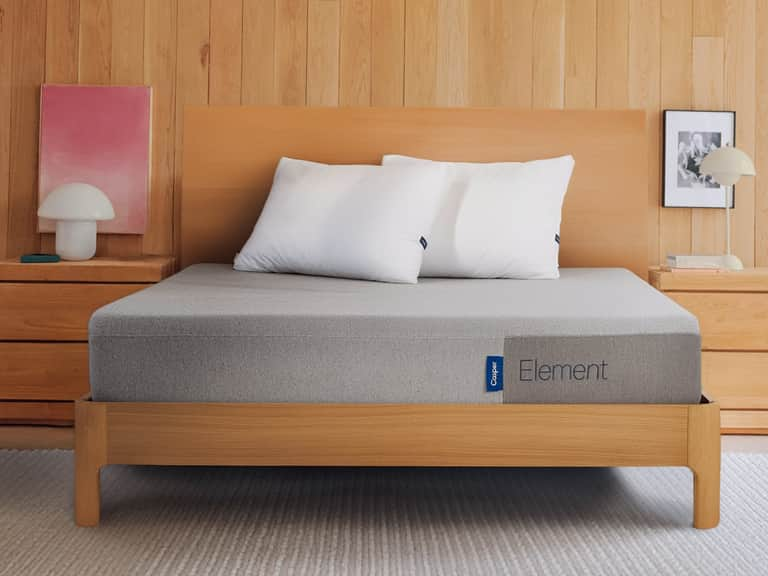
The Element Mattress provides a distinct approach to foam comfort, combining materials designed for buoyancy, support, and airflow. Key features can include open-cell foams for breathability, edge-to-edge support, and a responsive core that adapts to movement. Such characteristics aim to maintain a stable sleeping surface while minimizing motion transfer.
When comparing foam mattresses, consider temperature management, durability, and compatibility with bed bases or foundations. Some models integrate cooling foams or phase-change materials to mitigate heat buildup. Longevity is influenced by foam density and layering, with high-density foams typically offering better support over time and maintaining shape integrity.
In general bedding choices, foam mattresses relate closely to sheets, toppers, and organic options in the broader sleep ecosystem. While evaluating, pay attention to how toppers with additional foam layers can modify firmness and comfort. For those seeking natural materials, organic mattresses and natural latex combinations may provide alternative feel and durability within foam-based systems.
 Mattresses